
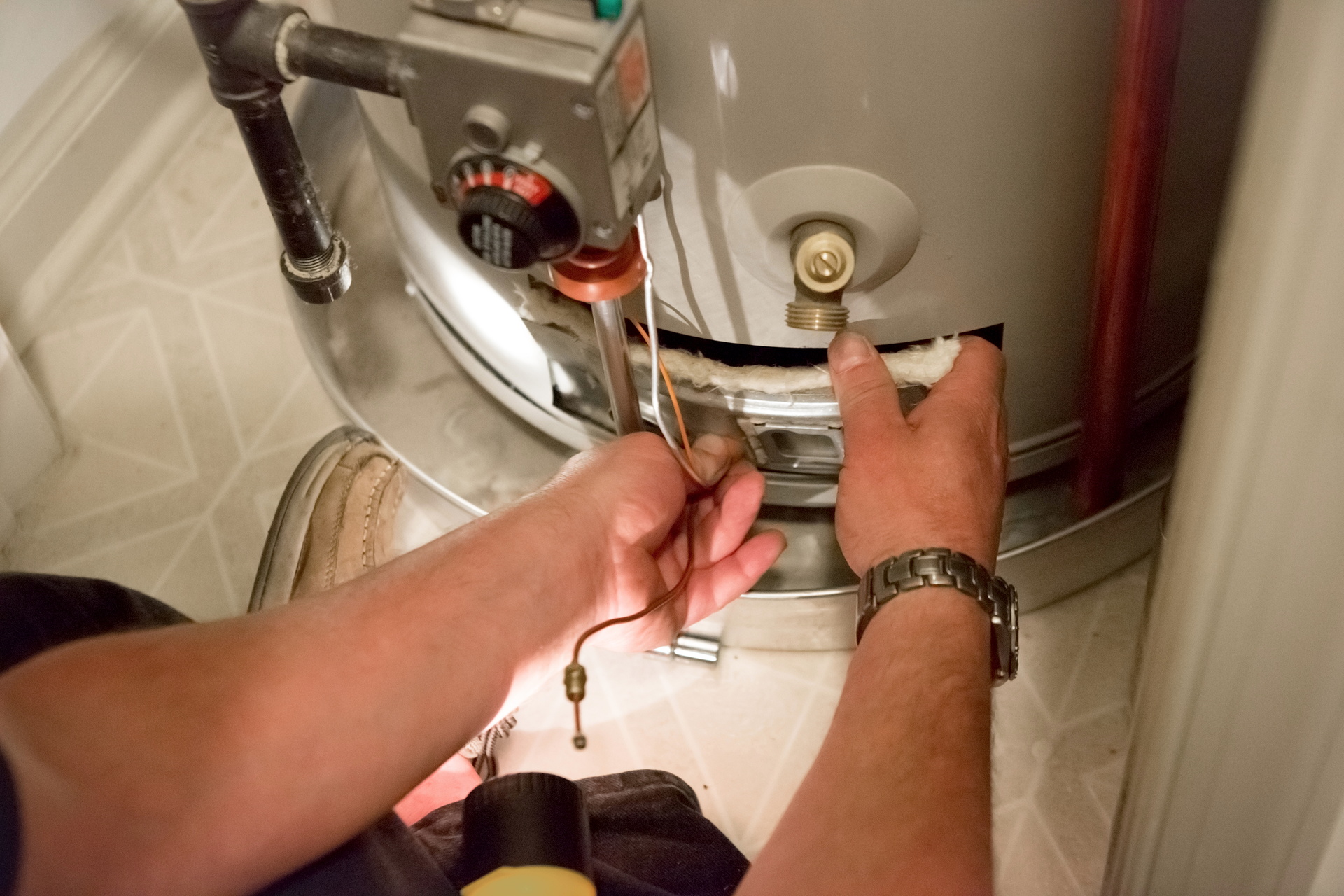
There are some times when water heater problems can be fixed, but other times, the problems are significant enough that they call for a complete water heater replacement. How do you know when that time comes? Our team is here to help. Your home’s water heater plays a crucial role in providing daily comfort and a reliable hot water supply.
Schedule an appointment with us for water heater service in Gainesville. We can inspect your water heater and find out what’s wrong. If the problems are bad enough that you need a replacement, we can review your options. But if we can make repairs then we will do that instead. You can also keep reading to learn more about when you may want to replace your water heater instead of repairing it. Following a water heater maintenance checklist and ensuring proper maintenance can help extend the lifespan of your unit and may influence the decision to repair or replace. Water heater maintenance may not be a fun activity, but it can help save money and improve its lifespan.
Should You Repair or Replace Your Water Heater?
You should replace your water heater if it is over 10 years old, needs frequent repairs, or struggles to deliver consistent hot water, as your home’s water heater is essential for providing hot water for daily household tasks. Repairs make sense for newer units with minor issues, but ongoing problems, rising energy bills, leaks, or corrosion usually mean replacement is the more cost-effective and reliable long-term solution. Persistent water heater maintenance issues with your hot water heater, such as frequent breakdowns or temperature inconsistencies, can also signal it’s time for a replacement. A common water heater maintenance issue involves thermostat adjustments to resolve temperature problems, which highlights operational concerns that may be addressed with simple DIY fixes. Inconsistent hot water can indicate issues with the thermostat or sediment buildup in the tank. Regular maintenance also prevents kettling, ensuring hot water is not prematurely depleted due to sediment accumulation in the tank.
Understanding Water Heater Components
A well-functioning water heater relies on several key components working together to deliver reliable hot water throughout your home. Whether you have an electric water heater, widely used for residential needs, a gas water heater, one of the common types available, or a tankless water heater, understanding these parts can help you spot issues early and keep your system running efficiently.
The water heater tank is the heart of traditional systems, storing heated water until you need it. Inside, electric water heaters use a heating element—usually found at the top or bottom of the tank—to warm the water, while gas water heaters rely on a burner beneath the tank. Both types use a thermostat to regulate the water temperature, ensuring it stays within a safe range and preventing scalding hot water from reaching your taps.
Safety is a top priority, and that’s where the pressure relief valve comes in. This essential safety device is connected to a discharge pipe and is designed to release excess pressure, protecting your water heater tank from dangerous ruptures; a leak around the unit can also point to a faulty pressure relief valve or corrosion. For routine heater maintenance, the drain valve at the bottom of the tank allows you to flush out sediment buildup, which can otherwise reduce your water heater’s energy efficiency and shorten the lifespan of your water heater. Sediment buildup in the tank can reduce your water heater’s energy efficiency and clog your water lines.
Incoming cold water enters through the cold water inlet, replenishing the tank as hot water is used. To combat the corrosive elements found in water, a sacrificial anode rod is installed inside the tank. This rod attracts corrosive particles, helping to prevent rust and extend the life of your water heater. In tankless water heater models, an inlet filter is often included to catch debris and sediment from the incoming cold water, protecting sensitive components and ensuring smooth operation.
For gas water heaters, a proper venting system is crucial to safely expel combustion gases from your home. Meanwhile, proper insulation around the tank and water lines helps minimize heat loss, boosting your water heater’s energy efficiency and saving on utility bills.
By familiarizing yourself with these water heater components, you’ll be better equipped to perform preventative maintenance—like checking the anode rod, inspecting the relief valve, and ensuring insulation is intact. This knowledge not only helps you maintain a consistent hot water supply but also reduces the risk of leaks, corrosion, and other common water heater maintenance issues, ensuring your home’s water heater operates safely and efficiently for years to come.
Water Heater Maintenance Tasks
Regular heater maintenance is essential for keeping your water heater running smoothly and efficiently. Start by testing the pressure relief valve—this safety device should open and close easily, releasing a small amount of water when you lift the trip lever. If it doesn’t, it may need to be replaced. Next, inspect the anode rod, which helps prevent corrosion inside the tank. If the rod is heavily corroded or its core wire is exposed, it’s time for a replacement.
Flushing the tank is another crucial step, and regular maintenance helps prevent costly damage from mineral buildup. Attach a garden hose to the drain valve at the bottom of the tank and let a few gallons of water drain out. This helps remove sediment buildup, which can create internal stress, reduce your water heater’s energy efficiency, shorten its lifespan, and lead to clogs or leaks. While you’re at it, check the drain valve and discharge pipe for any signs of leaks or corrosion
For electric water heaters, take a moment to inspect electrical connections and the heating element for any signs of wear or damage. If you have a gas water heater, check the gas valve and ensure the venting system is clear and functioning properly.
Tankless water heater maintenance is a bit different. Clean the air intake vents to prevent dust buildup and check the inlet filter regularly to keep debris from entering the system. These steps help your tankless water heater operate efficiently and extend its lifespan.
By performing these maintenance tasks regularly, you can prevent common issues like faulty water supply connections, sediment buildup, and leaks—ensuring your hot water heater delivers reliable performance year-round.
Water Heater Maintenance Checklist
Keeping your water heater in top shape doesn’t have to be complicated. By following a regular water heater maintenance checklist, you can help your electric water heaters, gas water heater, or tankless water heater operate efficiently, safely, and reliably for years to come. Here’s a comprehensive list of essential heater maintenance tasks to keep your system running smoothly and to maximize your water heater’s energy efficiency:
- Inspect the water heater tank: Look for any signs of leaks, corrosion, or physical damage. Make sure the water heater tank is properly insulated to reduce heat loss and improve energy efficiency.
- Test the pressure relief valve: Carefully lift the trip lever on the pressure relief valve to ensure it opens and closes smoothly. This safety device is crucial for preventing dangerous pressure buildup. If the relief valve opens and water flows out the discharge pipe, it’s working as intended.
- Check the anode rod: Remove and inspect the anode rod for corrosion. If you see heavy wear or an exposed core wire, replace it to protect your tank from the process called galvanic corrosion.
- Flush the tank: Attach a garden hose to the tank drain valve and drain a few gallons of water to remove sediment buildup. This simple step can greatly improve your water heater’s energy efficiency and prevent clogs in your water lines.
- Examine the drain valve: Ensure the drain valve is not leaking and operates smoothly. Replace it if you notice any drips or signs of wear.
- Inspect cold water inlet and hot water outlet connections: Check for leaks or corrosion at the cold water inlet and hot water tap connections. Tighten or replace fittings as needed to avoid faulty water supply connections.
- Check the relief valve discharge pipe: Make sure the discharge pipe is securely attached and free of leaks to safely direct water away if the relief valve opens.
- Inspect the gas valve (for gas water heaters): Confirm the gas valve is functioning properly and there are no gas leaks. If you smell gas, turn off the gas switch and contact a professional immediately.
- Set the thermostat temperature dial: Adjust the thermostat temperature dial to a safe setting—typically around 120°F—to prevent scalding hot water and save on energy costs.
- Clean the inlet filter (for tankless water heaters): Remove and clean the inlet filter regularly to prevent sediment buildup and ensure your tankless water heater operates efficiently.
- Check the venting system: Inspect the venting system for blockages or damage, especially on gas heaters, to ensure safe operation and proper air flow.
- Inspect electrical connections (for electric water heaters): Turn off the power supply and check all electrical connections for signs of wear, corrosion, or exposed wires. Tighten or replace as needed.
- Test the heating element (for electric water heaters): Make sure the heating element is working correctly and replace it if you notice a drop in hot water supply or inconsistent temperatures.
- Inspect the thermal expansion tank (if installed): Check for leaks or damage and ensure the thermal expansion tank is properly pressurized to handle changes in water pressure.
- Verify all safety devices: Confirm that all safety devices, including the relief valve and any additional safety device called for by your model, are functioning as intended.
By following this water heater maintenance checklist, you’ll help prevent common water heater maintenance issues, extend the lifespan of your hot water heater, and ensure a steady supply of hot water for your home or commercial water heater system.
Water Heater Maintenance Schedules
Sticking to a regular maintenance schedule is one of the best ways to extend the life of your water heater and boost its energy efficiency, since without proper upkeep water heaters can fail years earlier than expected. For most water heater tanks, it’s recommended to flush the system at least once a year to clear out sediment and keep the heater operating at peak performance. If you live in an area with hard water, you may need to flush your tank more frequently to prevent mineral buildup before components start to break down.
Tankless water heaters require a different approach—descaling the unit is necessary to remove mineral deposits from the heat exchanger. The frequency depends on your water quality and the manufacturer’s recommendations, but annual maintenance is a good rule of thumb.
Don’t forget to check the anode rod every year and replace it if it’s significantly worn. Inspect the relief valve to ensure it’s working properly, and make sure your water heater has proper insulation to minimize heat loss and improve energy efficiency.
Creating a water heater maintenance checklist can help you stay organized and ensure you don’t miss any important steps. By following a consistent schedule, you’ll help your water heater operate safely and efficiently for years to come.
Troubleshooting Common Issues
Even with regular maintenance, water heaters in Gainesville, FL can develop issues from time to time, and common trouble includes lukewarm water and foul odors that are often influenced by hard water and high humidity. If you notice water pooling around your unit, the culprit could be a faulty drain valve or a loose water supply connection. Tighten connections and check the drain valve for leaks to resolve a minor problem.
If your hot water supply is inconsistent or you’re getting scalding hot water, the thermostat temperature dial may need adjustment, or the heating element could be malfunctioning. Reduced water flow can be caused by sediment buildup in the heater. For electric models, check the heating element and replace it if necessary. Tankless systems may also display error codes that help technicians pinpoint the problem. If you hear popping or rumbling noises from the tank, strange noises can indicate serious malfunctions—flushing the tank and inspecting the anode rod can help restore quiet operation.
Should you hear dripping sounds or notice water escaping from the relief valve, it could indicate excessive pressure or a failing relief valve. Discolored or foul-smelling water can suggest rust or bacteria inside the tank. Address these issues promptly to prevent further damage and ensure your water heater operates safely.
If troubleshooting these common problems doesn’t resolve the issue, or if you’re unsure about any step, it’s best to consult a professional who can diagnose problems with any brand or type of water heater. Request a written estimate before proceeding with repairs. You do not have to deal with the problem alone or just hope it improves on its own. We understand how urgent hot water problems can be, and prompt attention can help you avoid bigger repairs and keep your water heater running efficiently.
Safety Precautions and Best Practices
Safety should always come first when performing water heater maintenance. Florida repairs and replacements should be handled by state-licensed, certified technicians. Before starting any work, turn off the power supply—switch off the circuit breaker for electric water heaters, or set the gas switch to the off position for gas heaters. Make sure the area around your water heater is well-ventilated, especially when working with gas models.
When draining the tank, use a garden hose connected to the drain valve, and direct the water safely away from your home. Never use the hose’s draining end to siphon water, as this can create a mess or cause injury.
Proper insulation of your water heater tank and pipes helps reduce heat loss and increase energy efficiency. Regularly inspect the venting system to ensure it’s clear and functioning correctly, and consider installing a thermal expansion tank to manage pressure changes and protect your system.
By following these safety precautions and best practices, you’ll help your water heater operate safely and efficiently, providing your home with a steady supply of hot water while minimizing the risk of accidents or costly repairs. Safe professional service should matter regardless of the unit type or age. Before hiring, consider calling providers, and verify credentials, insurance, and reviews so you choose technicians you can trust for the job. For emergencies such as a leaking tank or no hot water, 24/7, often same-day service from licensed plumbers can prevent the failure from getting worse, and the team is ready to respond quickly.
Water Heater Age
The first consideration to make is regarding your water heater’s age. If your water heater is nearing the 10-year mark or is older than 10 years, there’s a good chance that you need to think about a replacement. Most water heaters don’t last longer than 15 years.
The closer you are to the 10-year mark, the more likely it is that you will need to replace your water heater in the near future. There are some instances where our team can make repairs to the system and keep it working for a while longer. Other times water heater damage is bad enough that it requires a replacement.
Seriousness of Problems
And speaking of how bad damage is, there are some problems that cannot be reversed, and a leak from the tank can quickly lead to significant property damage. Rust inside of your water tank is one of those problems. Once rust begins to develop it cannot be repaired or reversed. Rust usually spreads quickly once it begins to corrode the inside of the tank.
There are times when smaller outside attached components rust and can be replaced before that rust spreads to the actual tank itself. Draining a few gallons of water from the tank during maintenance can help check for rust and sediment buildup. Your best bet for helping clients catch problems early is to schedule annual maintenance for the system, and common replacement parts are often kept in stock for faster repairs when issues are found. The anode rod helps prevent rust by protecting the tank through a process called galvanic corrosion, which attracts corrosive elements away from the tank’s metal. You can stay ahead of issues like rust and other problems to make sure that your water heater can have a longer-than-average lifespan. Practicing proper water heater care as part of annual maintenance is essential for efficiency, longevity, and water quality.
Benefits of a Water Heater Replacement
The thought of replacing your water heater may be daunting. The good news is that replacing an existing tank water heater with another one is usually a pretty simple process. All of the existing connections are already there and all we have to do is put a new tank in place and make some adjustments. Families should not settle for recurring cold water, especially when hot water is needed for showers and laundry.
Replacing your water heater is also an opportunity to potentially upgrade the unit to a larger tank so you have a greater hot water capacity. Hybrid water heaters are another option and combine heat pump and traditional heating methods. Newer water heater models offer improved energy efficiency and features that help increase energy efficiency. Replacing your unit can also improve your water heater’s energy efficiency and help reduce freezing risks with proper installation and insulation. Our water heater replacement services can also install or replace units from multiple manufacturers, while helping address recurring cold water issues and rising utility costs. You could also go in a completely different direction and install a tankless water heater replacement. Tankless water heaters provide on-demand hot water, making them a practical choice for reliable hot showers. A tankless water heater ensures a long lifespan and efficient performance when properly maintained. Regular tankless water heater maintenance, such as flushing the unit and cleaning the filter, is essential to keep it running optimally, and professional service helps keep tankless models operating efficiently. Tankless water heaters tend to be a little more expensive and the installation process can take a little longer. However, the benefit of nearly endless hot water often makes the extra upfront cost worth it.
When installing a new water heater, it’s important to rely on quality plumbing work during installation and replacement. It’s also important to include a drain pan beneath the unit as a safety feature to prevent water damage. Installing a thermal expansion tank and ensuring the relief valve discharge pipe is properly connected helps manage pressure changes and prevent leaks. Use copper pipes with quality compression fittings and avoid faulty water supply connections to prevent leaks and drips. For electric models, make sure the power supply is properly connected to avoid damage to the heating elements. For gas models, set the gas valve correctly and wait for the normal operating temperature to be reached; you may hear dripping sounds as condensation forms, which is normal.
For ongoing maintenance of your new unit, periodically open a hot water tap and use a garden hose to flush the tank, turning the cold water supply on and off as needed to clear sediment. Check the inlet filter regularly and monitor water pressure to ensure optimal performance and extend the life of your water heater, since service recommendations can vary across local communities based on water quality.
Frequently Asked Questions
Question: Should I repair or replace my water heater?
Answer: You should consider replacing your water heater if it is over 10 years old, needs frequent repairs, leaks, shows corrosion, or struggles to provide consistent hot water. A repair may make more sense for a newer unit with a minor issue, especially if the tank is still in good condition.
Question: How long does a water heater usually last?
Answer: Most tank water heaters last around 8 to 12 years, though some can last longer with regular maintenance. If your unit is nearing the 10-year mark and showing signs of trouble, replacement may be more practical than continuing to pay for repairs.
Question: What water heater problems usually mean replacement is needed?
Answer: Serious problems like tank rust, corrosion, major leaks, repeated breakdowns, and poor hot water performance often point toward replacement. Rust inside the tank is especially concerning because it cannot be reversed. If problems keep returning after service, a new system may be the better long-term option.
Question: When is water heater repair the better choice?
Answer: Repair is often the better choice when the water heater is newer and the problem is limited to a replaceable part, such as a thermostat, heating element, drain valve, or connection. A professional inspection can confirm whether the issue is minor or a sign of deeper system failure.
Question: How can maintenance help my water heater last longer?
Answer: Regular maintenance can help reduce sediment buildup, protect against corrosion, improve efficiency, and catch small problems before they become expensive repairs. Helpful tasks include flushing the tank, checking the anode rod, testing the pressure relief valve, and scheduling routine professional service.
Contact Affinity Gas Services today to schedule an appointment with our professionals. We’re “The Gas Efficiency Experts.”